 Rug tufting field guides
Tools · Pile finishing
When should you use scissors, a rug carver, or a flat planer?
Match the tool to the pile job. Scissors clean a few stray ends, a carver shapes a line its maker supports, and a flat planer is for broader leveling. A similar name is not a fit.
Last reviewed: October 14, 2026.
Pick the tool for the pile job
| Job | Tool to consider | Stop if |
|---|---|---|
| Trim a few stray ends | Hand scissors with a documented close-cut use | You need a carved channel or a level field |
| Shape a line or small area | A carver whose maker names that use | The listing does not identify the model, blades, or voltage |
| Level a broad surface | A flat shearing machine after you confirm power and plug | You only need detail work |
Guide compatibility stays on the carver and guide page. Do not treat a shearing-guide listing as a match until the maker names your exact carver.
A verified hand-trimming option
Generic duckbill listings, unnamed electric carvers, copper scrapers, and flat planers stay off this page. Their current listings do not give a usable offer together with maker specifications for rug pile.
Hand trimming · small cleanup
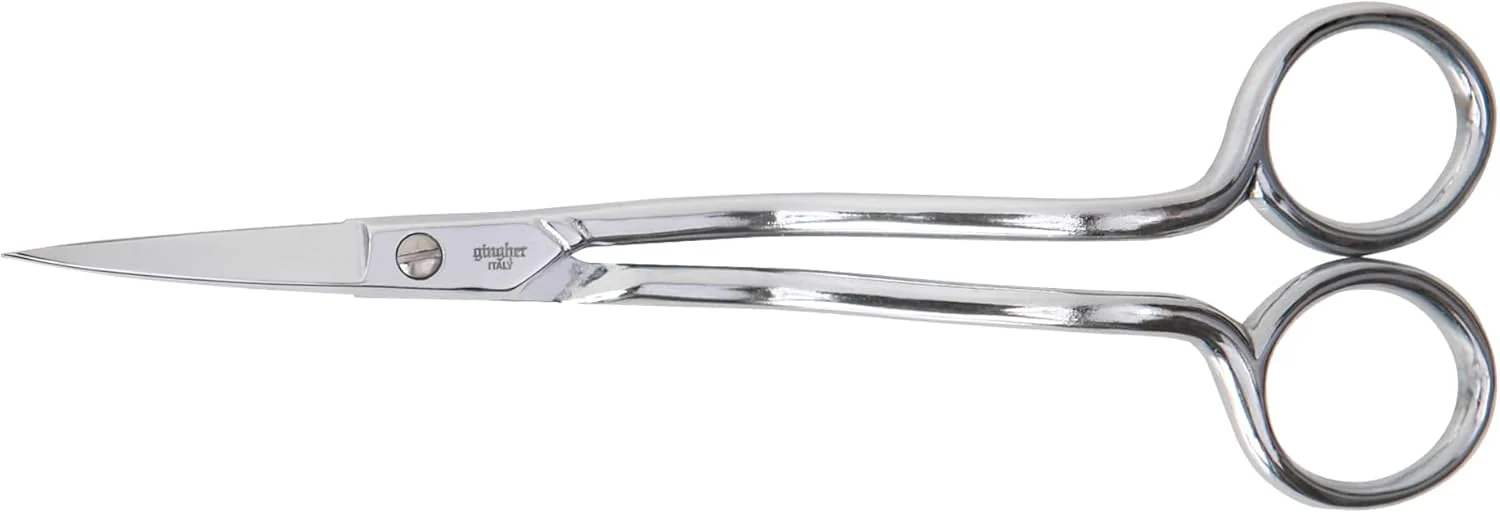
Gingher 6-inch Double-Curved Embroidery Scissors
Singer describes these scissors for close cuts on intricate needlework. For tufting, use them on stray yarn ends. They are not a rug carver or a flat planer.
Listings held
Carver, planer, and scraper
Product links withheld. Buy a carver, flat planer, or scraper only after the live listing names the model and a manufacturer sheet covers the pile job you need.
Where to trim
Follow the tool maker's instructions for working on or off the frame. Keep the cloth supported, and stop if the frame, cloth, or tool shifts. The finishing sequence puts trimming after the backing step that your adhesive requires.
Detailing FAQ
Can scissors replace a rug carver?
Only for small stray ends. Scissors are not a way to carve a channel or level a broad surface.
When does a flat planer belong in the station?
Only for broad leveling after you confirm the exact machine, voltage, and plug. A planer is not a detail carver.
Should I carve the rug on the frame?
Follow the tool maker's instructions. Keep the cloth supported, and stop if the frame, cloth, or tool moves.