 Rug tufting field guides
Tools · Finishing and transfer
Which tufting tools solve the job in front of you?
Most extra tools can wait. Start with the simple method for the task, then add equipment when that step is slowing the work or changing the finish you want.
Last reviewed: October 14, 2026.
Choose by the job, not the kit photo
Keep your first station simple. A projector, yarn winder, carver, or guide is an optional purchase tied to a specific tufting task.
| Job | Start with | When to consider a tool | Check first |
|---|---|---|---|
| Transfer a design | Draw simple shapes by hand or use a grid. | Consider a projector when tracing detailed lines is the slow part. | Check connections, working distance, and whether the image covers your cloth area. |
| Feed yarn | Use a cone or guide the yarn from a skein so it can feed without snagging. | Consider a winder when tangles repeatedly interrupt a fill. | Check the exact winder's clamp and capacity against your yarn and work surface. |
| Trim loose ends | Use hand scissors for small cleanup. | Choose a curved hand tool when its shape helps reach close to the pile. | Keep the blades clear of the primary cloth. |
| Carve or level pile | Leave the pile alone until the finish calls for shaping. | Consider a carver for detail or a shearing tool for broader leveling. | Match a guide to the exact carver model and revision. See the carver and guide checks and the scissors, carver, and planer comparison. |
| Finish an edge | Use the edge method that fits your backing materials. | Follow the adhesive and backing instructions for that method. | A general glue gun is not a documented rug adhesive. |
| Reduce a studio bottleneck | Change the process or layout first. | Add equipment only when the same task keeps slowing the station. | Use the studio upgrade path to compare the bottleneck before shopping. |
Optional tools with defined jobs
These picks suit particular tasks. If the job does not apply to your project, skip the purchase.
Listing held
Hot glue gun
Product link withheld. Glue-gun listings stay off this site until a listing and a manufacturer sheet substantiate textile or rug-edge use.
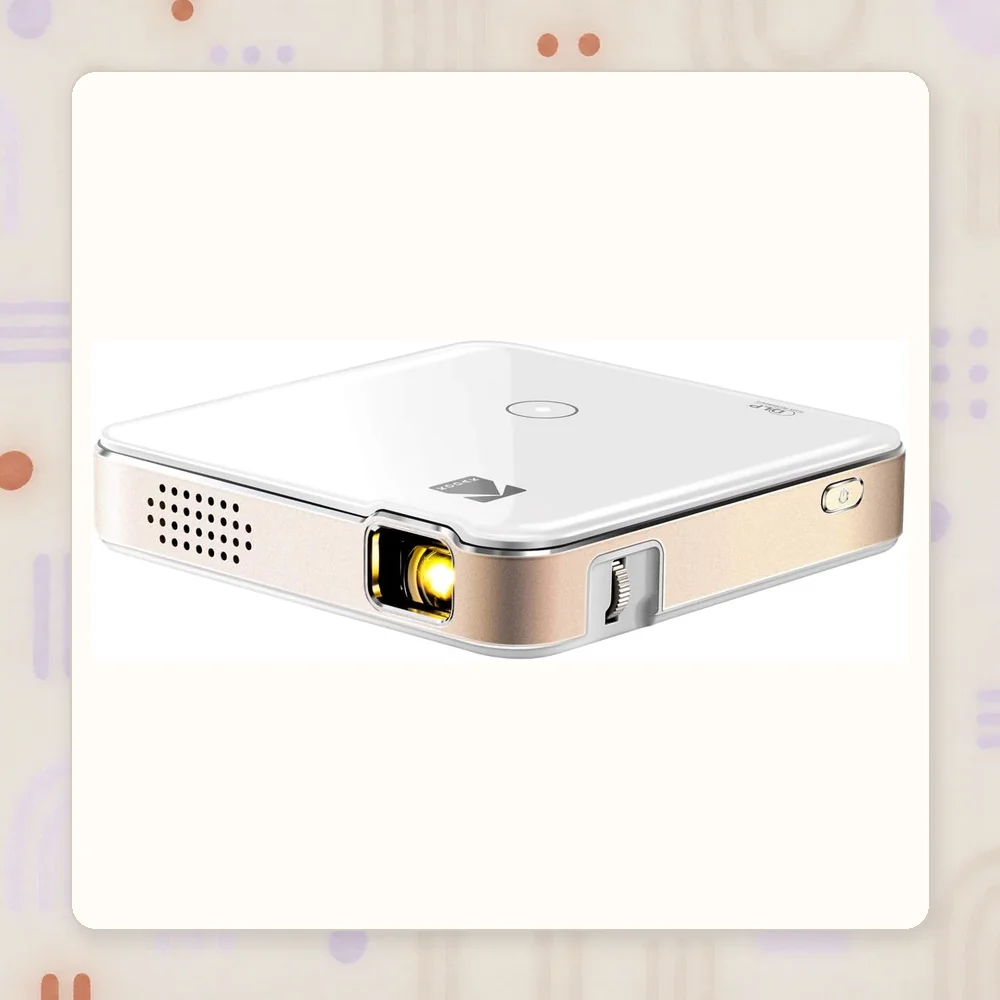
Design transfer · optional
KODAK LUMA 150 Portable Projector
A projector can help when tracing a detailed design by hand is slowing you down. Check that the connections and working distance suit your setup.
Skip if: hand tracing or a grid is enough for the designs you make.
Tufting tools FAQ
Do I need a carver for a first rug?
No. Start with the trimming tools you have. Add a carver only when you have a defined pile-shaping job and can verify the exact tool and any guide.
When does a glue gun belong in a tufting setup?
Not as a linked rug adhesive. Glue-gun listings are withheld until a manufacturer sheet substantiates textile or rug-edge use.
Should I buy a projector or yarn winder first?
Neither by default. Use a simple way to trace the design and feed yarn first. Add a projector or winder only when that step is slowing the work.
What should you read next?
- Carver and guide fit: compare the job and check the exact machine pairing.
- Scissors, carver, or planer: match the tool to a small trim, a carved line, or broad leveling.
- Projector distance and image flip: square the image before tracing.
- Yarn feed setup: wind a skein only when the feed needs it.
- Waterfall edge guide: fold cloth and place tape.
- Adhesive jobs and safety: choose rug adhesive from the product instructions.
- Finishing sequence: see where edge work and pile shaping fit.
- Studio upgrade path: start with the bottleneck.