 Rug tufting field guides
Materials · Cloth, adhesive, yarn
Tufting cloth, yarn, and adhesive: what to buy for a first rug
A first rug needs more than the gun: a frame, primary cloth, yarn, adhesive, backing, and basic finishing tools. Measure the frame, estimate yarn from a sample, and check the listing before you buy.
Last reviewed: October 24, 2026.
What should you buy for a first rug?
Start with a measured frame, primary cloth that fits it, yarn estimated from your own sample, and adhesive chosen for the backing job.
Use what your gun kit already supplies if the exact pieces are usable. Skip add-ons until a real gap remains.
Three options with a defined role
These are conditional options, not a full materials basket. Check the exact color or size variant before ordering.
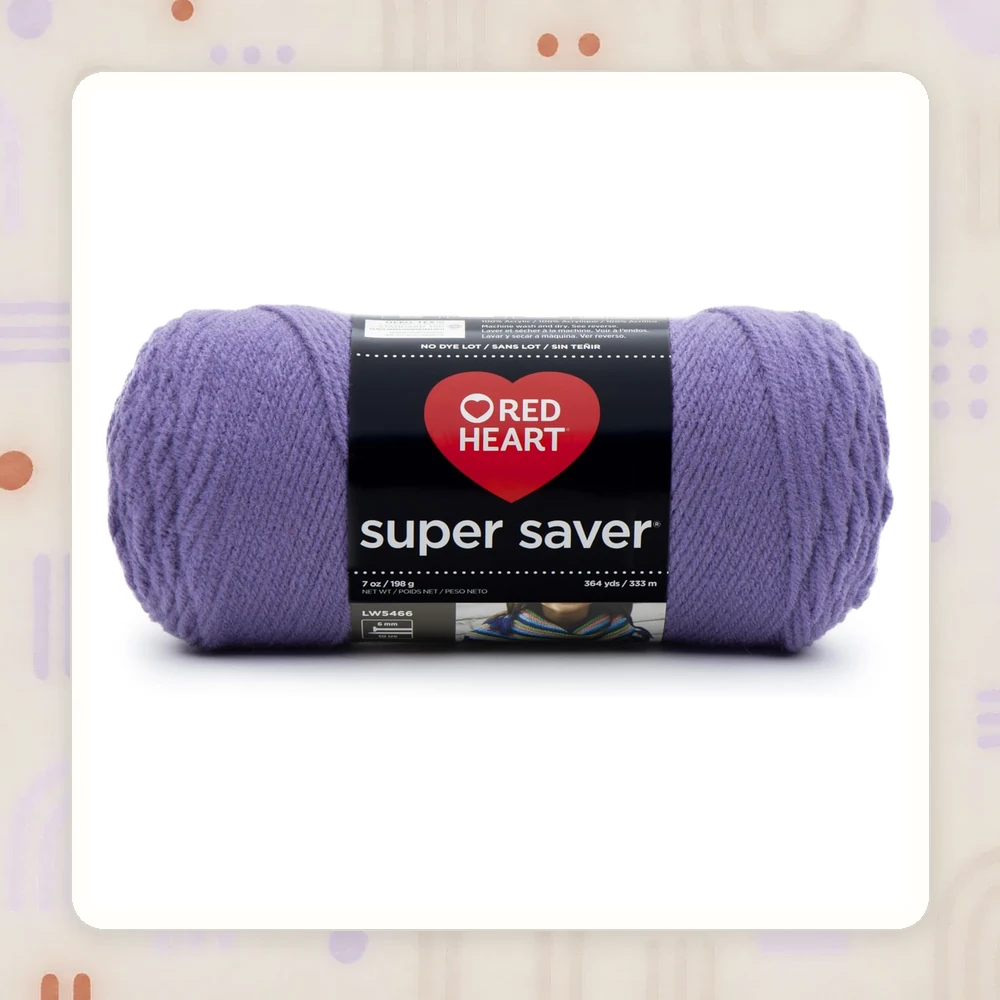
Acrylic yarn · color variant
Red Heart Super Saver Yarn, Lavender
An acrylic yarn option when you want to choose the exact color and weight.
- Material
- Acrylic
- Variant
- Lavender
Check before buying: Color and pack details vary by child variant. Keep yarn quantity separate from the cloth-area calculation until you have a measured sample.
Skip this option if: Your rug plan calls for wool; this listing is acrylic.
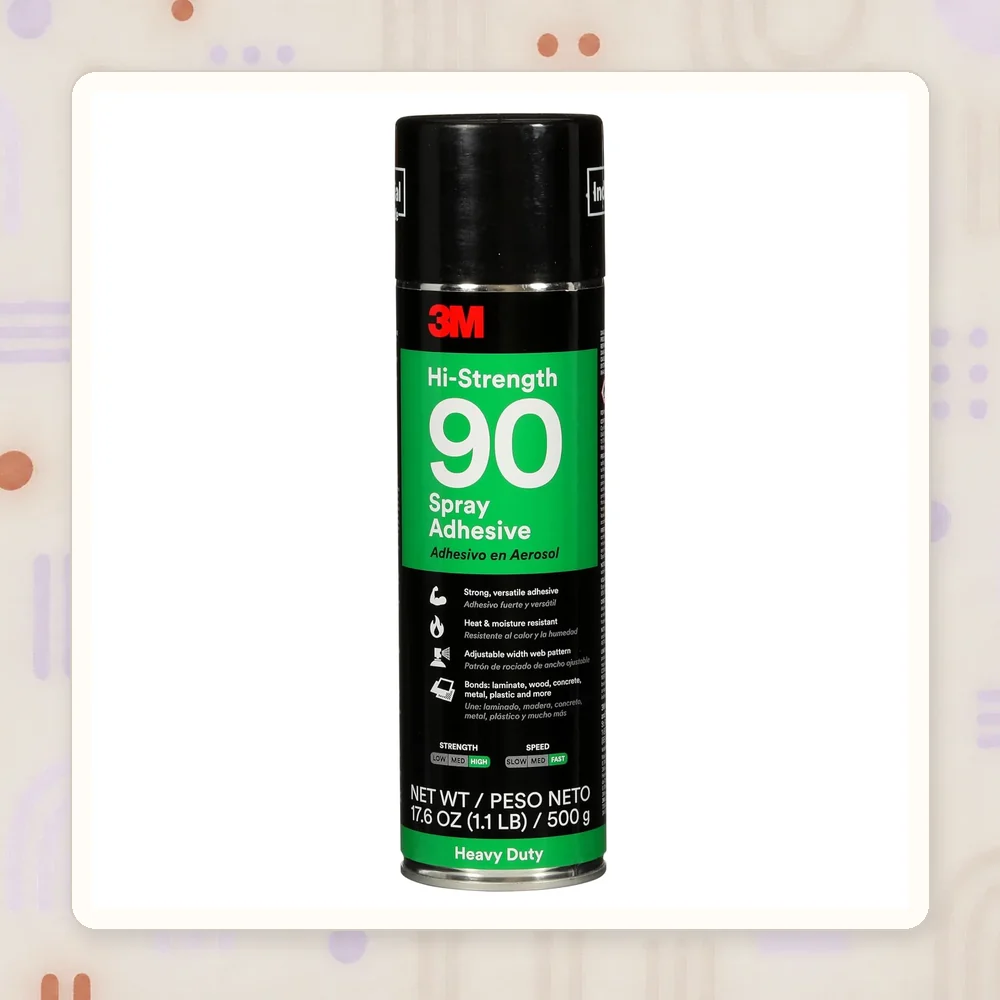
Spray adhesive
3M Hi-Strength 90 Contact Spray Adhesive
A spray-adhesive comparison point for readers who need to investigate a specific finishing step.
- Format
- 17.6 oz aerosol
Check before buying: Check the current label, substrate compatibility, ventilation requirements, and shipping restrictions before buying.
Skip this aerosol if: Your workspace cannot support spray application and the ventilation its label requires.
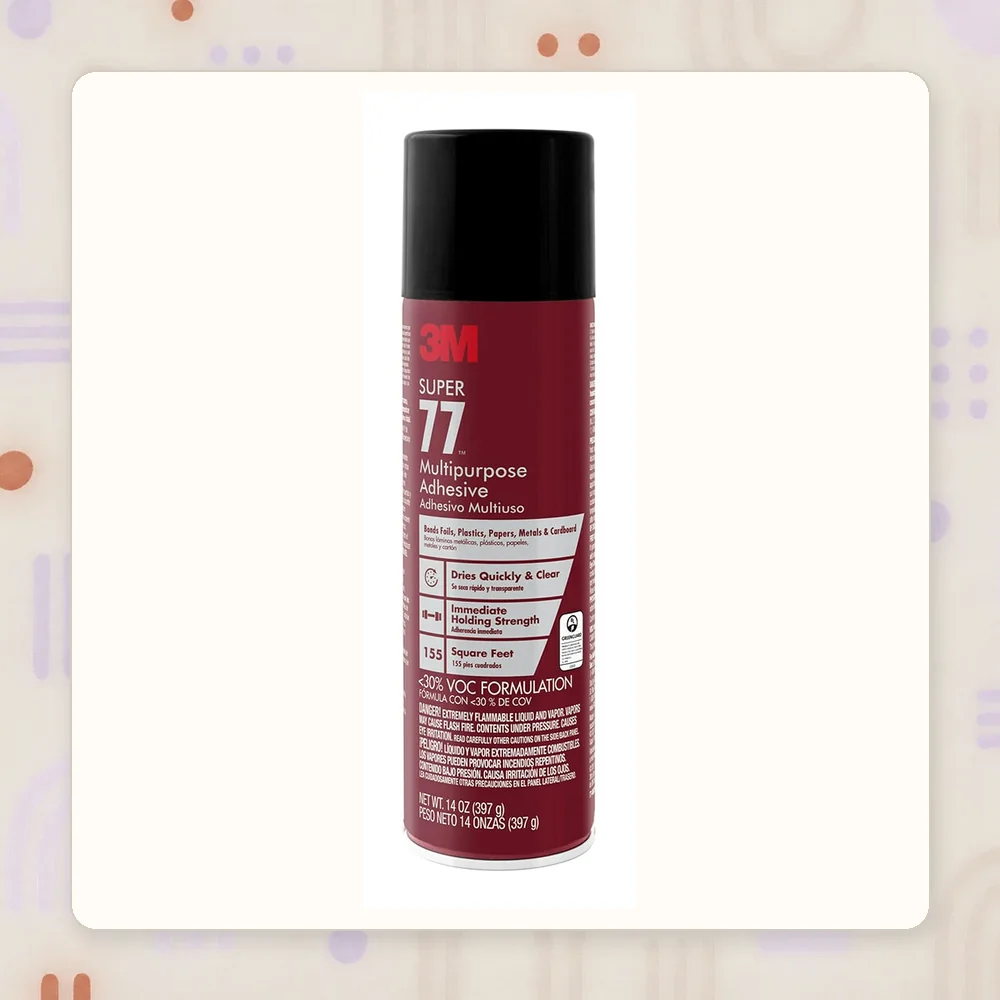
Spray adhesive
3M Super 77 Multipurpose Spray Adhesive, Low VOC
Another spray-adhesive option for comparing a defined backing job.
- Format
- 14 oz aerosol
Check before buying: Use it for a substrate and application covered by the current manufacturer instructions; shipping limitations may apply.
Skip this aerosol if: Your workspace cannot support spray application and the ventilation its label requires.
Which material decision are you making?
- Cloth: measure the frame opening and mounting margin, then use the cloth-size calculator.
- Yarn: tuft and weigh a sample before estimating packages; use the yarn guide or read about Red Heart Super Saver.
- Adhesive: identify the backing layer and substrates first; compare tufting glue, including Roberts 3095 and 6700.
What is not included in a tufting gun kit?
The gun is only one station category. Confirm the frame and cloth attachment, primary cloth, yarn, adhesive, backing, and finishing tools on the listing instead of treating a kit photo as an inventory.
| Part | Job | Skip when | Link |
|---|---|---|---|
| Frame and attachment | Hold the primary cloth at the usable span. | The listing confirms a workable frame and attachment hardware. | Check the beginner station |
| Primary cloth | Provide the surface for the tufted design. | The selected type and size do not match the frame calculation. | Compare cloth and check the size |
| Yarn | Supply the planned colors and pile material. | The listing confirms the needed color, weight, and amount for your sample-based estimate. | Estimate yarn |
| Adhesive and backing | Secure the rug and attach the secondary backing. | The listing names the product, substrate, and amount for the backing job. | Compare adhesives |
| Finishing tools | Trim the rug and solve a defined surface or edge job. | You only need basic trimming, or no specific job calls for an extra tool. | Use the station checklist |
Primary tufting cloth vs. monk's cloth: what should you buy?
Choose primary cloth by the tufting job, usable dimensions, and mounting margin. Do not choose by the label alone; confirm that the selected type and size cover the frame span you measured.
Named pick: Tuft the World Primary Tufting Cloth—White. The maker lists a 157-inch width, yard-length cuts, and a 35% cotton, 65% polyester blend. Measure your frame span and mounting margin before choosing a length. Buy directly from Tuft the World.
Compare primary cloth and use the cloth-size calculator before ordering.
What yarn weight do you need, and how much yarn?
A measured sample is more useful than a universal skein count because pile, spacing, strand count, trimming, and color coverage change the result. Keep the intended yarn weight and color share in the sample record.
Estimate yarn by sample and color share before buying for the full rug.
Which adhesive do you need for finishing and backing?
Match adhesive to the backing job, substrate, application method, ventilation, cure, cleanup, and shipping conditions. Read the current label and SDS before choosing a product or a large container.
Read the tufting glue guide before buying an aerosol or container. For Roberts 3095, 3000, and rug-latex guidance, read the manufacturer-based comparison.
When should you wait or skip a listing?
Do not buy cloth if the selected size leaves fiber, weave, usable dimensions, or returns unclear. Roberts 3095 remains unlinked as a tufting recommendation because its product sheet covers carpet installation only. Keep the linked 3M aerosols only while the current label and instructions match your backing job.
What should you read next?
- Primary cloth guide: check weave, fit, and mounting.
- Yarn estimator: calculate from a measured sample.
- Adhesive guide: match the product to the backing layer.
- Beginner station worksheet: audit the full setup.
First-rug materials FAQ
Should I buy every material before starting?
No. Check the kit inventory and buy only pieces that are missing and fit the project.
How much yarn should I order?
Use a measured sample and color share; a published planning figure is only a starting point.
Can one adhesive do every job?
No. Match the tuft-locking coat, secondary backing, and edge treatment to their separate jobs.