 Rug tufting field guides
Materials · Cloth repair and yarn reuse
How do you patch a hole in tufting cloth?
Stitch or glue a fabric patch behind the hole on the frame, then tuft through it to fill the gap. Match the cloth weave direction, leave a generous margin, and tuft slowly so the next row does not tear the edge again.
Last reviewed: October 30, 2026.
Why does tufting cloth rip?
- A dull cutter can drag against yarn instead of cutting cleanly.
- Rows packed too tightly can pull against the cloth.
- Uneven tension can leave one area carrying more strain than the rest.
Stop when the gun catches or the tear starts to grow. Check the cloth, frame grip, and cutter before making another pass; the skipping and tearing guide walks through those checks.
Choose a patch method
| Method | Best for | Risk |
|---|---|---|
| Stitched patch | A small tear with sound cloth around it and enough room to sew. | Close stitches can pucker worn cloth; keep them in the sound weave and lay the patch flat. |
| Glued patch | A flat repair where the adhesive maker rates the product for both fabric surfaces. | Adhesive can stiffen the cloth or make the needle drag. Test an offcut and follow its label. |
| Tuft-over patch | A hole in the active area when the patch stays flat behind the cloth. | An uneven or shifting layer can show through the pile or catch the needle. |
For a glued repair, use general fabric advice and check the current adhesive guide for application limits. It does not replace the adhesive maker's directions.
Patch the hole on the frame
- Switch off and unplug the gun. Clear the yarn from the damaged area and check that the frame and cloth have not shifted.
- Trim only loose frays around the hole. Do not cut into the sound weave to make the opening look even.
- Cut a patch from compatible primary cloth. Match the weave direction and leave generous fabric beyond every edge of the hole.
- Place the patch behind the tear and smooth both layers flat. Stitch it to sound cloth, or use an adhesive labeled for both fabric surfaces and let it set as directed.
- Check that the patch has no folds or loose corners. Tuft slowly across the damaged area, stopping if the needle catches or the patch moves.
If the surrounding cloth is stretched, brittle, or torn across a large area, remount fresh cloth instead. The primary cloth guide covers weave checks and mounting tension.
Keep the next row from tearing
Use a sharp cutter, leave enough room between tight turns, and keep the cloth evenly mounted. If the gun skips stitches or pulls hard against the weave, stop and follow the cloth-tear troubleshooting steps before continuing.
Blend leftover yarn into a marled color
- Feed two compatible yarns together to make a mixed color. Start with a small amount of each and check that both strands move freely through your gun's guides and needle.
- Try a short line on scrap cloth. If one strand pulls tighter, slips, or jams, separate the feed and check the gun manual before starting the rug.
The yarn guide explains how to check fit and estimate what a project needs.
Wind leftovers into cakes for storage or feeding
A ball winder turns loose yarn into a center-pull cake. It makes cakes, not cones. A cake can help keep leftovers together for a marling test; for a cone-based feed path, use the yarn winding and overhead feed guide.
What to buy
Use scissors to trim frayed edges and a small yarn sample to test a marled color. A winder is useful if you regularly organize skeins or leftovers. Read the Red Heart page for label and fit checks before tufting with that yarn.
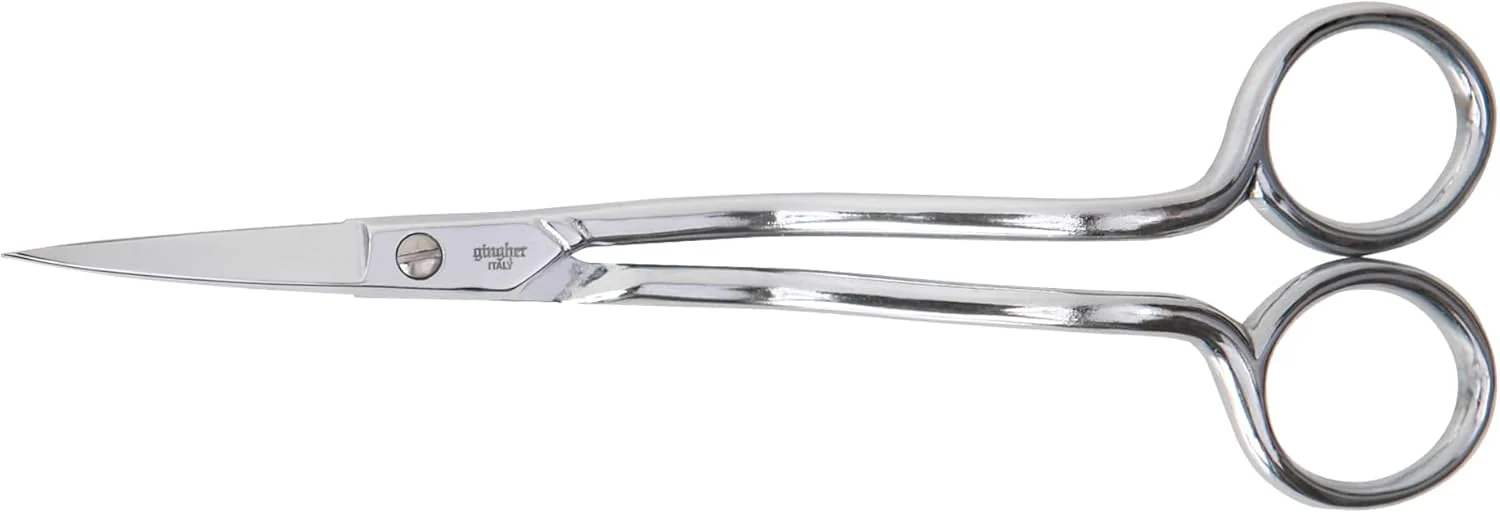
Gingher 6-inch double-curved scissors
Trim frayed edges and yarn tails with short cuts so you do not widen the tear.
Best for: Trimming frayed edges and loose tails around a small repair.
Skip if: the patch has no frayed edges or loose yarn tails to trim.
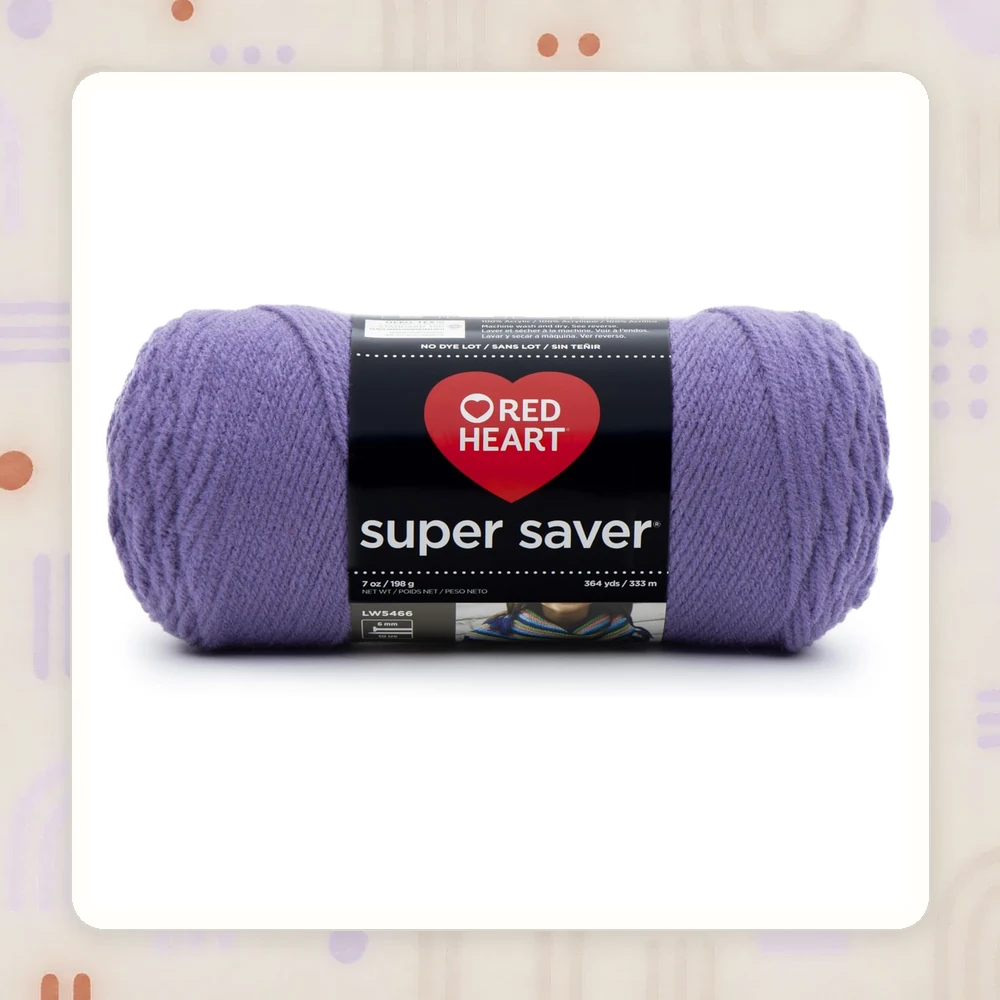
Red Heart Super Saver Yarn, Lavender
Use a small amount to try two-strand color blends on scrap cloth. Check the selected color and package, then read the yarn fit guide before using it in a full project.
Best for: A practice sample to see how two strands blend and feed.
Skip if: you already have yarn for the color-blend sample.
Stanwood Needlecraft 10 oz metal ball winder
Use this clamp-on winder to turn skeins and loose yarn into center-pull cakes, not cones. It works best with a swift, but you can also wind from your arms or a spool holder; see the yarn feed guide for the difference between cakes and cones.
Best for: winding leftover yarn and skeins; capacity is 10 oz.
Skip if: you wind yarn only occasionally or your yarn already comes on cones.
Frequently asked questions
Can I fix a hole without removing the cloth?
Usually, yes, if the hole is small and the frame tension is still good.
How big should the patch be?
Leave enough cloth for a generous overlap on every side of the hole.
Will a patch show?
A well-matched patch can blend into the pile once you tuft over it.
Can I mix two yarns in one tuft?
Yes, if both feed through the gun without jamming. Test first.
What if the cloth rips again?
Check for a dull cutter and over-tight rows.