 Rug tufting field guides
Finishing · Mirrors and wall hangings
How do you back and hang a tufted mirror or wall rug?
Use a rigid backer board and contact adhesive for a tufted mirror frame, leaving a margin around the cutout; hang a wall rug from a sewn or glued dowel pocket. Let the backer or dowel take the load instead of relying on the pile or latex alone.
Last reviewed: October 30, 2026.
Mirror frames: leave a margin around the cutout
- Trace the opening on paper, then transfer that line to the rug as the cut line.
- Mark a separate pile-stop line farther into the rug, leaving backing fabric between the cut and the pile. Leave enough fabric around the opening to bond the rug to its backer.
- Check the fit against the actual frame before cutting.
- Trim a little at a time and stop if the cut begins to reach the stitched yarn.
Use a rigid backer behind a mirror
Fit a rigid board behind the tufted frame, with an opening for the mirror. Bond the rug to the board only with an adhesive whose label covers both materials. The backer takes the load and keeps the rug from relying on a bond to glass.
Latex bonds weakly to smooth glass and can flex as temperature changes. If it peels, the mirror has no broad, stable surface to support the rug. Keep adhesive and loose fibers away from the glass face.
For backing layers and how they meet the primary cloth, see the backing guide.
Choose an adhesive for the mirror
A contact spray may suit a rug-to-board bond when its instructions name both materials. A multipurpose spray may suit a lighter join, but do not assume its name covers your fabric, board, or room. Test the full stack on an offcut and follow the label and safety data for ventilation, application, and cure.
Compare adhesive jobs in the adhesive guide. If you work in a shared home, read the apartment guide to fumes and ventilation before spraying.
Plan for the wall rug’s weight
A heavy pile can pull on the top edge and stretch the cloth. Spread the load across the width with a dowel pocket or a frame that supports the whole top edge. Keep the rug flat enough to hang without putting the weight on the pile or the latex layer.
Compare hanging methods
| Method | Best for | Risk to the wall | Risk to the rug |
|---|---|---|---|
| Dowel pocket | A wall rug that needs support across its width | Needs wall fixings suited to the wall and the piece | A weak or uneven pocket seam can stretch or tear |
| Hook-and-loop strip | A light piece with a secure backing and a compatible wall surface | Adhesive may lift paint when removed | Too few or poorly placed strips can concentrate the pull at the top edge |
| Frame mount | A piece with a rigid frame or backer | Mounts put the load at specific points in the wall | Hardware attached only to cloth can pull through it |
| Nails or tacks | A very light piece when a small wall mark is acceptable | Leaves holes or marks | Each fastener pulls on a small area of cloth |
Make a dowel pocket
- Measure the top edge and choose a dowel that reaches across the pocket without extending past the finished sides.
- Cut a fabric strip long enough to cover the width and wide enough to fold around the dowel with room for a seam.
- Fold the long edges under, then form a sleeve around the dowel. Check that the dowel slides through without bunching the fabric.
- Place the pocket across the back of the rug’s top edge. Sew it to sound backing fabric, or use an adhesive labeled for the materials and this load.
- Fit the dowel and hang it from wall fixings suited to the piece. Check that the pocket stays level and the rug hangs without pulling the pile.
Do not rely on a latex coat alone to hold a hanging pocket. If the backing is too weak to take stitches or adhesive, add a suitable fabric or rigid support first.
Check the layout before you cut
- Project the mirror outline or wall rug shape onto the stretched cloth.
- Center it and square the image to the frame.
- Check the inner margin all the way around before tracing.
The projector checklist covers distance, alignment, and image flip.
What to buy
Start with the backer and hanging method, then get only the adhesive and trimming tools that fit the job. Use a projector to transfer an outline if you need one; see the projector guide and distance calculator. For a pocket, a sewing machine or fabric adhesive with suitable instructions can do the job; a general hot-melt gun does not establish that the bond will hold.

3M Hi-Strength 90 contact spray adhesive
Consider it for a rug-to-backer bond only if the current label covers both surfaces and your setting.
Best for: a rug-to-backer bond when the label approves both surfaces and your setting.
Skip if: the label does not cover both surfaces or your setting.

3M Super 77 Low VOC multipurpose spray adhesive
Check the label for approved surfaces and ventilation. Low VOC does not change those instructions.
Best for: a lighter-duty spray bond where the label approves the surfaces and ventilation.
Skip if: the label excludes your surfaces or you cannot follow its ventilation directions.

Gingher 6-inch double-curved scissors
Use them to trim the cutout edge in small passes while keeping the blades clear of the tufted yarn.
Best for: trimming a mirror cutout edge in small passes.
Skip if: you already have a tool for trimming the cutout close to the pile.
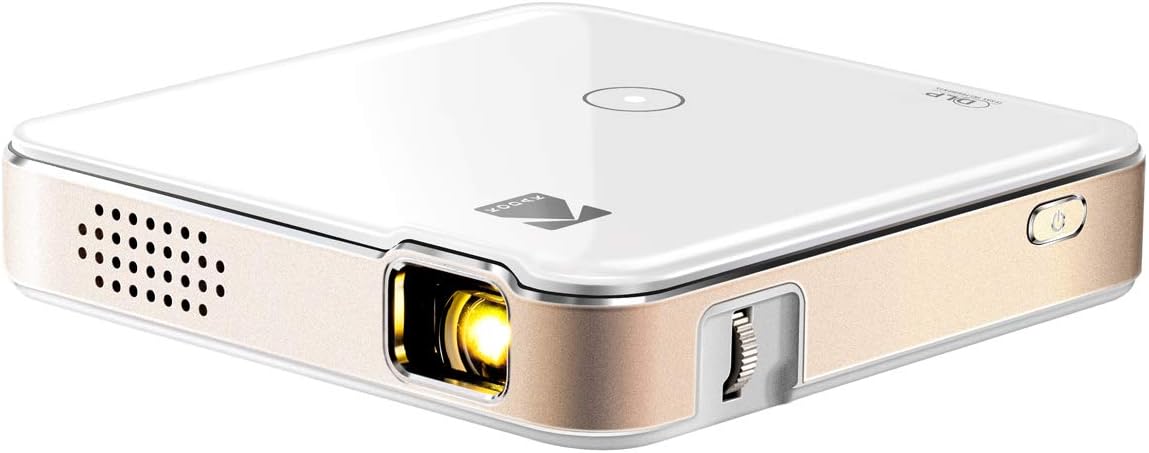
KODAK Luma 150 projector
Project the mirror or rug outline before cutting. Check the resolution and working distance against your design using the projector guide.
Best for: projecting a mirror or rug outline before cutting.
Skip if: you can transfer the outline with another method.
Non-slip dotted felt
Use a small layer on the wall side if the hanging piece could rub against the wall. Check how it sits with your backing before attaching it.
Best for: a wall-side buffer when the hanging piece could rub against the wall.
Skip if: the piece will not rub the wall or already has a suitable wall-side layer.
Frequently asked questions
Why does latex peel off mirror glass?
Latex bonds weakly to smooth glass and flexes with temperature. A rigid backer takes the load instead.
How big should the margin around the mirror cutout be?
Wide enough that pile never touches the glass edge, and enough to bond the rug to the backer. Test the width with paper on your frame.
Can I hang a tufted rug with nails alone?
Not for heavy pieces. A dowel pocket spreads the weight across the full width.
Is spray adhesive safe indoors?
Follow the label, ventilate as directed, and see the apartment fume guide.
Should the rug be flat or tensioned on the wall?
Hang it so the weight sits on the dowel, not the pile.